

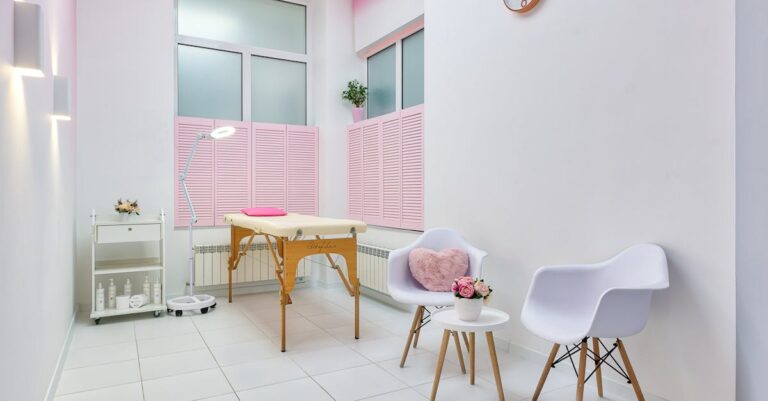





When it comes to interior design, walls often get a bad rap. They’re just there, right? Well, not anymore! With a splash of creativity and a dash of imagination, those plain surfaces can transform into stunning focal points that even your sofa will envy.
Understanding Interior Wall Design Ideas
Interior walls offer various design possibilities that can significantly impact a room’s ambiance. Techniques can turn plain surfaces into stunning visuals that draw attention. Utilizing paint is one effective choice. Bright colors can energize a space, while softer hues create calm environments.
Textures play an essential role in wall design as well. Incorporating materials like wood, stone, or textured wallpaper adds depth and interest. Patterned wallpaper provides a unique identity for each room, offering endless creative choices.
Consider the use of wall art. Artwork can make bold statements, adding character to any area. Frames and arrangements can reflect personal style, making walls equally functional and expressive. Additionally, murals introduce artistic themes, captivating viewers and enhancing a room’s narrative.
Lighting can elevate wall design further. Accent lighting highlights art pieces or textured walls, creating dramatic effects. Strategically placed sconces or LED strips enhance the mood and create an inviting atmosphere.
Finally, incorporating shelving transforms walls into practical storage spaces. Open shelves display books or decorative items, adding layers to the design. Floating shelves provide a modern touch and save floor space.
Interior wall design ideas combine various elements to transform rooms. Each component contributes to an inviting and visually appealing environment. Creativity fuels exceptional interior design, ensuring walls serve more than just a functional purpose.
Popular Interior Wall Design Trends
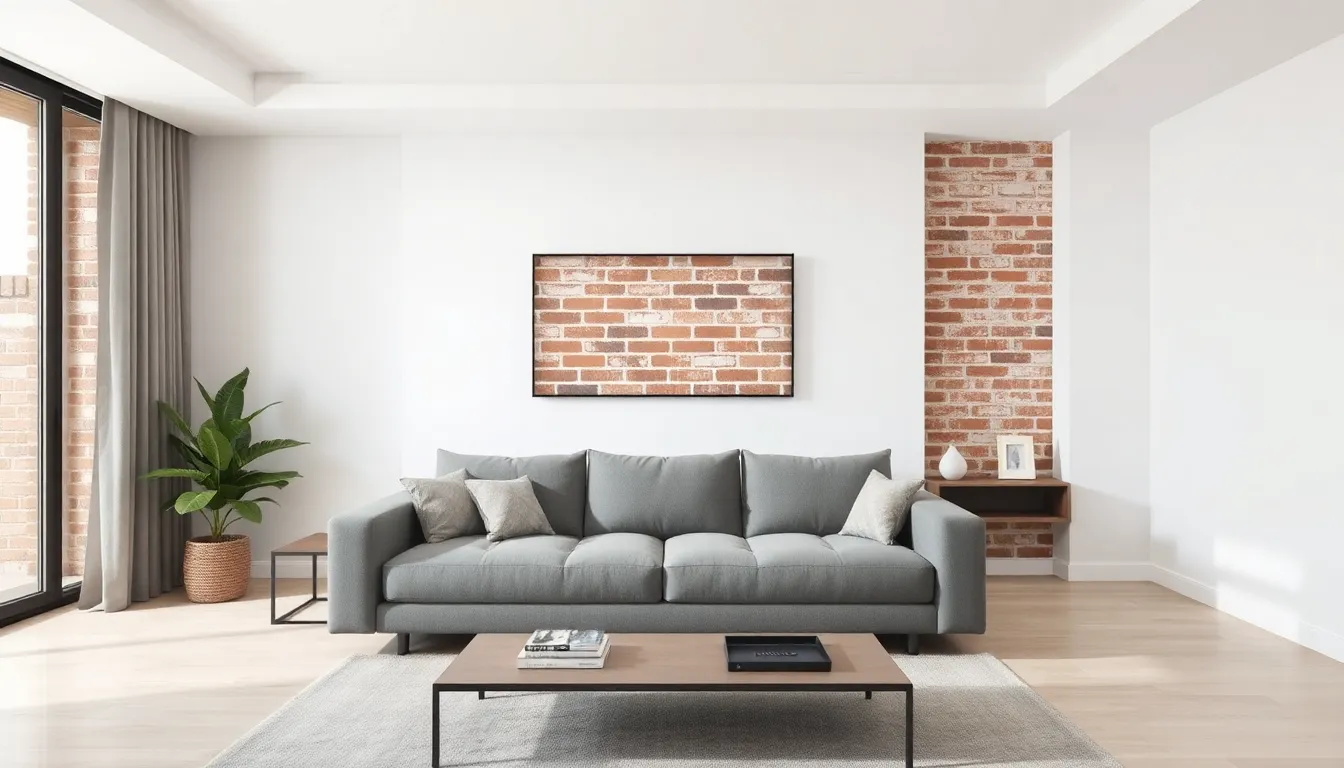
Interior wall design trends evolve to meet aesthetic preferences while reflecting personal style. Current favorites include minimalist approaches and the use of bold colors and patterns.
Minimalist Approaches
Minimalist wall designs focus on simplicity and functionality. Neutral colors like white and beige create a clean backdrop. Textural elements such as exposed brick or unfinished wood enhance depth without cluttering the space. Incorporating negative space allows for strategic art placement. Selecting functional furniture minimizes distractions while maximizing visual appeal. Clean lines direct attention to key features, ensuring each element serves a purpose. Minimalist styles prioritize calmness and tranquility, appealing to those who appreciate understated elegance.
Bold Colors and Patterns
Bold colors and patterns make striking statements in interior spaces. Deep blues, rich greens, and vibrant yellows bring energy to any room. Geometric patterns or floral designs can serve as accent walls, drawing the eye and sparking conversation. Layering multiple colors adds dimension and invites creativity. Choosing larger artwork complements bold designs and helps balance visual weight. Clever use of wallpaper or decals becomes a canvas for individual expression. Such dynamic design choices elevate spaces while making them uniquely personal.
Creative Materials for Wall Design
Exploring creative materials can breathe new life into wall design. Innovating with diverse elements enhances a room’s atmosphere.
Wood and Natural Elements
Wood offers warmth and texture in wall design. Incorporating reclaimed wood planks can create rustic charm, giving each space a unique character. Bamboo panels provide a sleek, modern look, bringing nature indoors and ensuring sustainability. Accent walls made from natural wood evoke tranquility while adding depth. They work well in living areas, dining rooms, or even bedrooms. Using carved wood features introduces intricate designs that attract attention and spark conversation. Natural finishes like cork or plywood also add softness and eco-friendliness. These choices blend functionality with aesthetic appeal, contributing to a cohesive interior.
Textured Finishes
Textured finishes transform flat walls into engaging surfaces. Venetian plaster provides a luxurious look with subtle variations in color and sheen. Many homeowners choose this style for entryways or living rooms. Brick or stone cladding introduces an industrial feel, great for urban settings or modern designs. Applying textured paint brings tactile experiences, emphasizing movement and light in the room. Creative techniques, such as sponging or rag rolling, allow for personalized designs that reflect individual tastes. Wallpapers with raised patterns can also add depth and layers while simplifying installation and maintenance. Textured wall finishes greatly enhance visual interest, making rooms feel more dynamic and inviting.
Functional Aspects of Wall Design
Functional wall design goes beyond aesthetics, integrating practicality and form. Walls can maximize space and improve comfort through carefully thought-out elements.
Space Optimization
Efficient wall design utilizes vertical space for storage and organization. By incorporating shelves, cabinets, or built-ins, homeowners can minimize clutter while showcasing decorative items. Murals can create the illusion of depth, making small rooms feel more expansive. Paneling or wainscoting adds visual interest while delineating areas within open spaces. Color choices also affect perceptions of space; light hues can make rooms appear larger, while darker tones can create cozy nooks. These practical approaches enhance functionality without sacrificing style.
Acoustic Solutions
Walls can play a critical role in sound management. Acoustic panels made from sound-absorbing materials reduce noise and improve overall sound quality. Installing insulating drywall minimizes sound transmission between rooms, ensuring privacy. Textured wall surfaces, such as felt or fabric, enhance acoustics while adding visual appeal. In multi-use spaces, utilizing movable partitions helps create dynamic environments adaptable to varying sound requirements. Such solutions contribute to a comfortable atmosphere, supporting activities like work or relaxation seamlessly.
Transforming interior walls can elevate any space with creativity and thoughtfulness. By exploring various design ideas and techniques, individuals can create environments that reflect their personal style while enhancing functionality.
Whether opting for bold colors, textured materials, or innovative storage solutions, the possibilities are endless. Embracing current trends and integrating unique elements allows for a dynamic atmosphere that balances aesthetics and practicality.
Ultimately, well-designed walls not only serve as a backdrop but also become integral to the overall narrative of a room. With the right approach, anyone can turn their walls into captivating features that inspire and engage.