

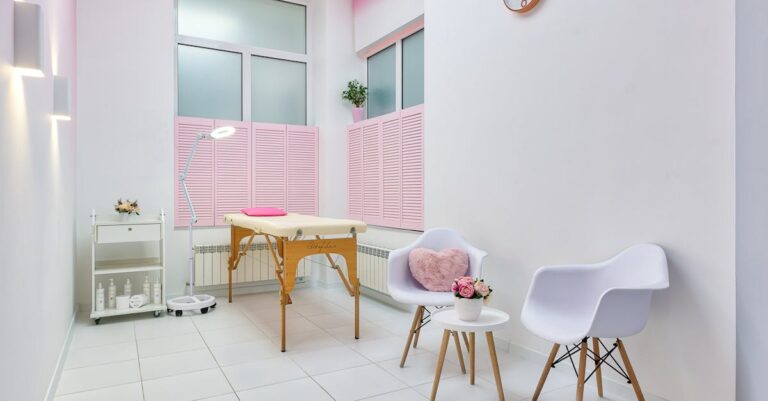





Luxury interior design isn’t just about plush sofas and golden chandeliers; it’s an art form that transforms ordinary spaces into extraordinary experiences. Picture this: you walk into a room that feels like a five-star hotel, where every detail whispers elegance and sophistication. Who wouldn’t want to live like royalty, even if it’s just in their living room?
Defining Luxury Interior Design
Luxury interior design transforms spaces into extraordinary environments that radiate elegance and sophistication. This design style emphasizes comfort while showcasing high-quality materials and refined aesthetics.
Characteristics of Luxury Design
Luxury design features specific characteristics that set it apart from standard decor. High-end materials such as marble, silk, and hardwood create an opulent atmosphere. Custom furnishings often enhance uniqueness, making each piece exclusive. Thoughtful lighting, including chandeliers and sconces, accents the beauty of a space. In addition, layering textures adds depth, combining soft fabrics with sleek surfaces for visual interest. Attention to detail appears in every aspect, from intricate moldings to custom window treatments.
Popular Trends in Luxury Interiors
Current trends reflect evolving tastes within luxury interiors. Minimalism continues to gain traction, emphasizing uncluttered spaces filled with statement pieces. Eco-friendly materials also rise in popularity, merging luxury with sustainability. Bold colors, particularly jewel tones, bring vibrancy, while intricate patterns create visual drama. Biophilic design integrates nature, using plants to enhance indoor environments. Smart home technology adds convenience, providing seamless control over lighting, climate, and security.
Color Schemes for Luxury Spaces
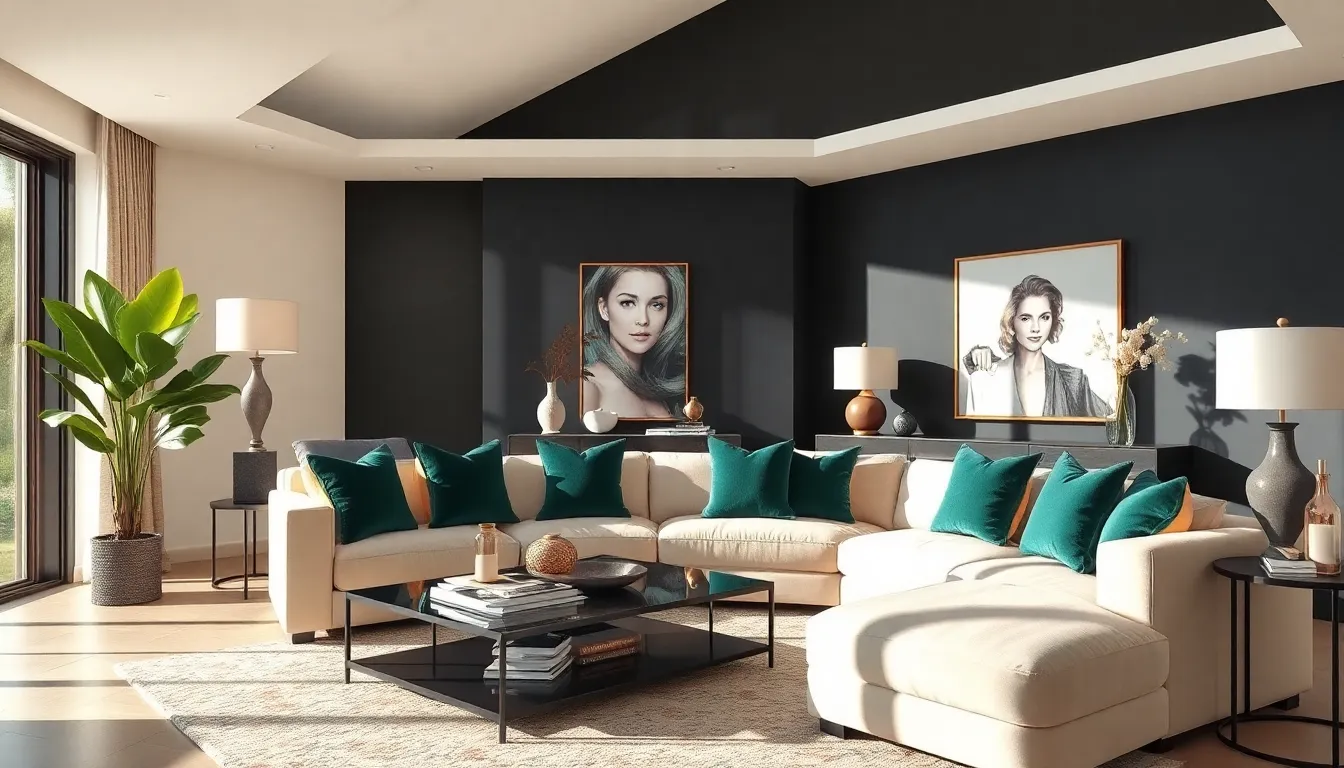
Color schemes play a vital role in luxury interior design. They enhance the elegance and sophistication of a space, creating an inviting atmosphere.
Elegant Color Combinations
Gold and navy create a regal effect, evoking a sense of luxury. Pairing soft blush with deep charcoal yields a dramatic contrast that adds depth. Earthy tones like terracotta and rich green provide an organic feel while maintaining elegance. Combining cream with rich emerald produces a timeless, classic look. Mixing bold jewel tones can enrich a space, stimulating visual interest and luxury. Ultimately, the right color combinations elevate the aesthetic and emotional impact of any luxury interior.
Best Neutrals for a Luxe Look
Cream, a versatile neutral, offers warmth and sophistication, making spaces feel inviting. Charcoal adds depth, serving as a striking backdrop for vibrant decor elements. Taupe blends naturally with many colors, providing a soft elegance. Greige, a blend of gray and beige, creates a modern, chic vibe, suitable for various design styles. Soft white contributes a fresh and airy quality, enhancing natural light and space perception. Each of these neutrals contributes to creating a timeless, luxurious environment while allowing flexibility with furnishings and accents.
Furniture Selection for Luxury Interiors
Furniture selection plays a pivotal role in achieving luxurious interior aesthetics. Thoughtful choices in this area directly impact a space’s overall elegance and comfort.
High-End Materials
High-end materials define luxury furniture. Fine woods such as walnut and mahogany lend warmth and sophistication. Additionally, plush fabrics like velvet and silk enhance tactile quality, inviting touch. Marble and granite surfaces offer durability while bringing stunning visuals. Quality metals like brass and stainless steel add richness, creating an air of opulence. Carefully selecting these materials elevates the design, ensuring lasting appeal in high-end spaces.
Custom vs. Ready-Made Furniture
Custom furniture provides unique options tailored to individual tastes. Designers facilitate the creation of pieces that fit perfectly within a space, ensuring coherence with the overall theme. Ready-made furniture, in contrast, offers convenience and accessibility. Brands often showcase luxury options crafted with quality materials but may lack personal touches. Both choices can fit seamlessly into luxurious interiors depending on the design vision. Mixing custom and ready-made options enhances flexibility and creates a dynamic and personalized environment.
Lighting in Luxury Design
Effective lighting enhances the elegance of luxury interiors. Thoughtful lighting selections create ambiance and highlight design elements within a space.
Statement Fixtures
Statement fixtures serve as focal points in luxury design. Chandeliers crafted from crystal add a touch of sophistication, while sculptural light pieces can inspire conversations. Ceiling-mounted designs, such as large pendant lights, and wall sconces elevate the overall aesthetic, showcasing opulent materials. High-quality finishes, including gold or polished nickel, provide a refined touch. Installing fixtures at varying heights creates visual intrigue while illuminating the room effectively.
Ambient vs. Task Lighting
Ambient lighting establishes the overall illumination in luxury spaces. This type of lighting might include recessed fixtures, track lighting, or elegant ceiling-mounted options. Task lighting, on the other hand, focuses on specific areas for activities. Table lamps, reading nooks, and under-cabinet lights brighten workspaces or reading areas. Combining ambient with task lighting enhances functionality and warmth, making spaces inviting. A well-lit room provides both aesthetic appeal and practicality, underscoring luxury’s emphasis on comfort and elegance.
Incorporating Art and Accessories
Art and accessories play crucial roles in elevating luxury interiors. They provide personality and enhance the overall aesthetic.
Curating a Luxurious Art Collection
Selecting art requires careful consideration of personal taste and the desired ambiance. Often, original pieces like paintings or sculptures create focal points that draw attention. Consider local galleries and reputable artists to find unique works that resonate with individual style. Art enhances space, adding depth and character, connecting the room’s design elements cohesively. Additionally, mixing styles, such as modern and classical, adds intrigue while maintaining elegance. Frame choices also affect the overall presentation, empowering each piece to shine in the desired context.
Choosing the Right Accessories
Accessory selection impacts a space’s sophistication significantly. Incorporate items like luxurious throw pillows or decorative vases for visual appeal. Quality materials contribute to an elevated atmosphere, so opt for items made from glass, metal, or high-end fabrics. Unique pieces can serve as conversation starters, reinforcing the design scheme. Include natural elements, such as fresh flowers or indoor plants, to bring warmth and vitality. Varying textures, from smooth ceramics to plush fabrics, enriches the sensory experience while maintaining harmony. Prioritize balance in arrangement to create an inviting, cohesive environment.
Luxury interior design transcends mere aesthetics; it creates an immersive experience that reflects personal style and sophistication. By thoughtfully combining high-quality materials with unique furnishings and art, anyone can transform their space into a tranquil retreat. The careful selection of colors and textures enhances the overall ambiance while smart technology integration modernizes traditional elegance.
Ultimately, the goal is to create a harmonious environment that feels both inviting and opulent. With the right elements in place, luxury isn’t just a design choice; it’s a lifestyle that enriches everyday living. Embracing these ideas can lead to a home that truly embodies elegance and comfort.